


Iran’s Hormuz Campaign Widens to Tugboats as OPEC+ Faces Its Biggest Call of the Year
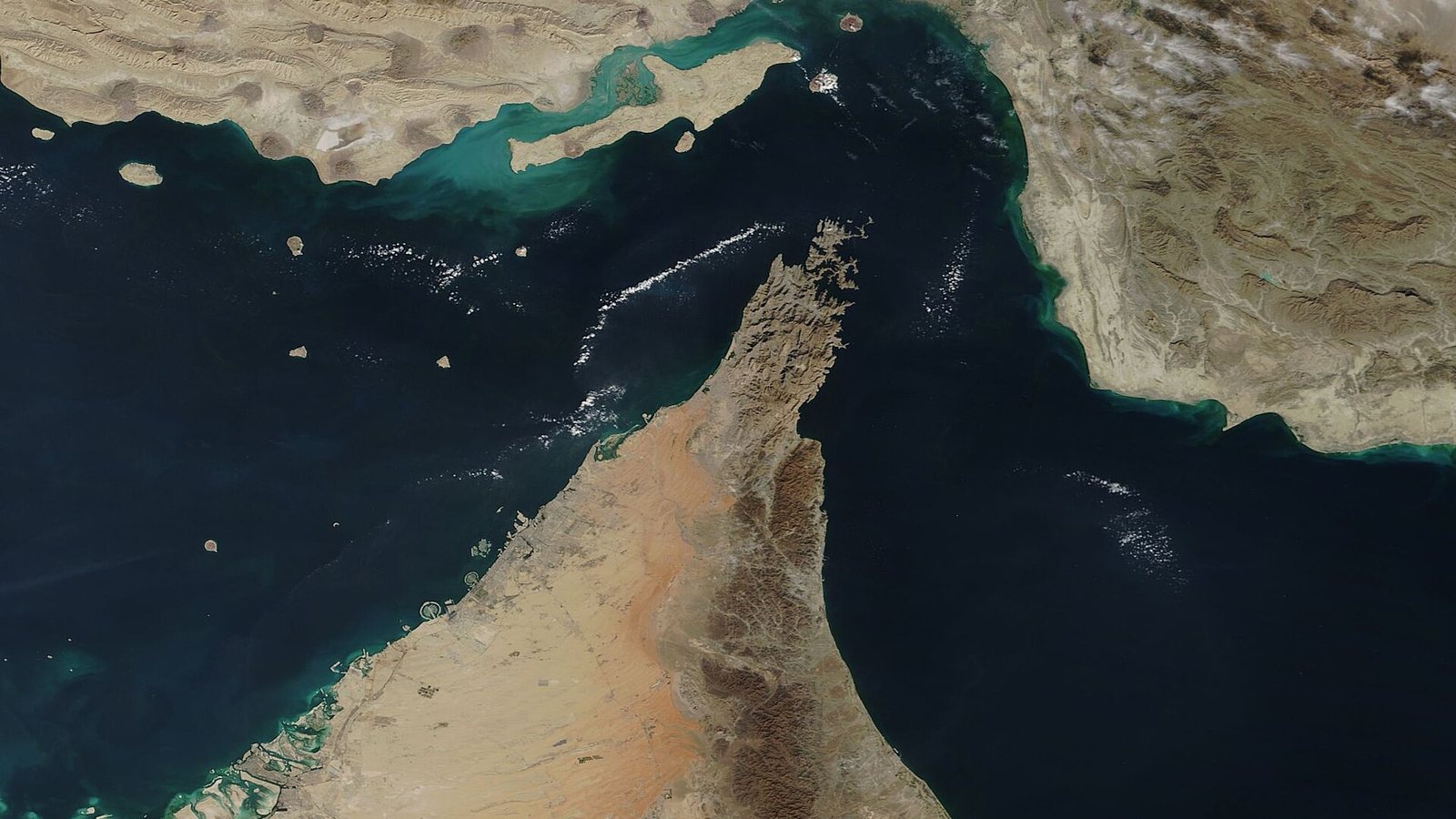

Attacks on commercial shipping in the Strait of Hormuz have spread this month from oil and product tankers to tugboats and other offshore support vessels, maritime security trackers reported, adding a new layer of uncertainty just days before OPEC+ ministers gather on November 30 for what oil-market analysts are calling the group’s most consequential supply decision of the year.
gCaptain, a maritime industry outlet that tracks UK Maritime Trade Operations (UKMTO) incident reports, said on November 24 that four more vessels had come under attack in and around the strait, extending a pattern that began with a strike on an offshore tug in early November. The attacks follow months of intermittent strikes on tankers transiting the waterway, which carries roughly a fifth of the world’s seaborne oil and is covered in detail in our explainer on what the Strait of Hormuz is and why it matters.
Insurers raise the alarm
The Swedish Club, a mutual insurer that covers hull and machinery risk for commercial vessels, told members in an alert that the risk profile for shipping in and around Iran, the Persian Gulf and the Strait of Hormuz “has increased materially” and that the situation “remains fluid and may change at short notice.” The club stopped short of calling for a withdrawal from the area, but the alert is among the firmest warnings it has issued since the current wave of attacks began.
The current wave’s most severe single incident so far remains the attack on an ADNOC-linked vessel on November 18, in which one crew member went missing and eleven were injured. That strike came a day after Iran and Oman held talks specifically on Hormuz security, according to our earlier coverage of the Iran-Oman security talks, underlining how diplomacy and attacks have been running on parallel tracks rather than one replacing the other.
A tanker market turned upside down
The rising risk is showing up in unusual corners of the shipping market. gCaptain reported that fifteen-year-old supertankers are now changing hands for more than newly built ones, as owners scramble for available tonnage whose crews are willing to run the Gulf while new orders remain years from delivery. Separately, the Wall Street Journal reported, as relayed by gCaptain, that US authorities are investigating suspected Iranian cyberattacks on the onboard systems of as many as 50 ships; the probe has not yet attributed the intrusions conclusively, and Iran has not publicly addressed the specific allegation.
Traffic keeps moving
Despite the escalation, shipping has not stopped. Data from analytics firm Vortexa, cited by gCaptain, showed tanker traffic through Hormuz actually rose this month compared with October, even as the number of reported attacks climbed. The strait has no practical alternative route for Gulf crude and LNG cargoes, and owners able to secure war-risk cover have mostly kept sailing rather than diverting. Buyers appear to be hedging in a different way: China’s oil imports from the Gulf have climbed to a wartime high in recent weeks, as this outlet reported, suggesting refiners are building cushion against the risk of a sharper disruption rather than avoiding Gulf barrels altogether.
The persistence of traffic is one reason global oil benchmarks have not spiked as sharply as during earlier flare-ups. Brent crude was still on track for a weekly gain as of November 26, as the attack reports offset a separate narrative of a widening supply surplus; the International Energy Agency’s November Oil Market Report pointed to early signs of rebalancing, with global supply exceeding demand for the first time since the war began, and projected a return to surplus in the fourth quarter before a larger build in 2027. Crude had been easing for most of the week on exactly that glut narrative, as this outlet noted after Wall Street’s AI-driven selloff spilled into commodities even as Gulf attacks persisted in the background.
A harder OPEC+ call
That tension between a looming surplus and an unresolved security risk in one of the world’s most important chokepoints is what makes the November 30 OPEC+ meeting difficult to call, according to gCaptain’s market preview. Ministers must decide whether to keep output restrained to support prices against the glut scenario, or add barrels to offset supply that is still, intermittently, being disrupted at the source. Iraq has separately continued to press for a larger production quota inside the group, arguing it needs the extra revenue for development spending, adding one more variable to the November 30 talks.
For now, the strait remains open and cargoes are still moving, but the shift toward tugboats and support vessels as targets, together with the Swedish Club’s alert and the tanker-pricing anomaly, mark a new phase in a standoff that has already reshaped tanker markets, LNG supply contracts and now the economics of the vessels that keep Gulf ports running.
Sources
- gCaptain, “Four More Ships Attacked as Iran Widens Hormuz Crackdown to Tugboats,” November 24, 2026 — attack pattern and OPEC+ context.
- gCaptain, “Hormuz Tanker Traffic Rises This Month Even as Attacks Increase,” November 26, 2026 — Vortexa traffic data.
- gCaptain, “Used Supertankers Now Cost More Than New Ships as Hormuz War Upends Shipping Markets,” November 24, 2026 — tanker pricing.
- gCaptain, citing The Wall Street Journal, “U.S. Probes Suspected Iranian Cyberattacks on Up to 50 Ships, WSJ Reports,” November 23, 2026 — cyberattack probe.
- Swedish Club, Member Alert, “Iran and Regional Security Situation” — insurer risk guidance.
- OilPrice.com, “Oil Prices Climb as Middle East Supply Risks Overshadow Glut Fears,” November 26, 2026 — price action.
- International Energy Agency, Oil Market Report, November 2026 — supply/demand balance.
Illustrative image. Photo: MODIS Land Rapid Response Team, NASA GSFC, Public domain, via Wikimedia Commons — source


