Drilling Engineer Salary: Onshore vs Offshore Pay

The official US data does not publish a separate pay figure for drilling engineers, because they are counted inside the petroleum engineer group, whose median annual wage was $144,910 in May 2025. That number is the most reliable anchor for a drilling engineer salary, and the rest of this guide explains how onshore and offshore work, employer type and experience move a real offer above or below it.
Drilling Engineer Salary: Quick Answer and Key Numbers
The US Bureau of Labor Statistics (BLS) reports that petroleum engineers, the category that includes drilling engineers, earned a median of $144,910 per year in May 2025. Half of the workers earned more and half earned less. BLS counted about 18,500 petroleum engineering jobs in 2025 and projects employment growth of 2% from 2025 to 2035, slower than the average for all occupations.
Two cautions apply. First, BLS does not split pay by onshore or offshore posting, so any claim of an exact offshore premium comes from private surveys or job adverts, not from this dataset. Second, the median hides a wide spread. Engineers who work directly in oil and gas extraction are paid noticeably more than those in engineering services, which is why the employer matters as much as the job title.
What Does a Drilling Engineer Actually Do?
A drilling engineer plans and supervises the construction of oil and gas wells. The work starts in the office, where the engineer designs the well path, selects casing and cement programmes, estimates drilling fluid needs and builds the budget. It continues at the rig, where the engineer tracks progress against plan, solves problems such as stuck pipe or lost circulation, and keeps the operation within safety and cost limits.
Because a single offshore well can cost many millions of dollars, the person who prevents a delay or a well-control event creates large savings. That is why drilling and completions specialists are among the better paid petroleum engineers.
Onshore vs Offshore: How the Pay Structure Differs
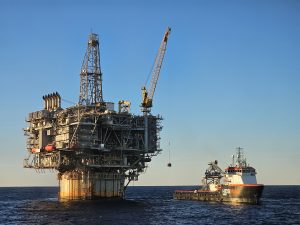
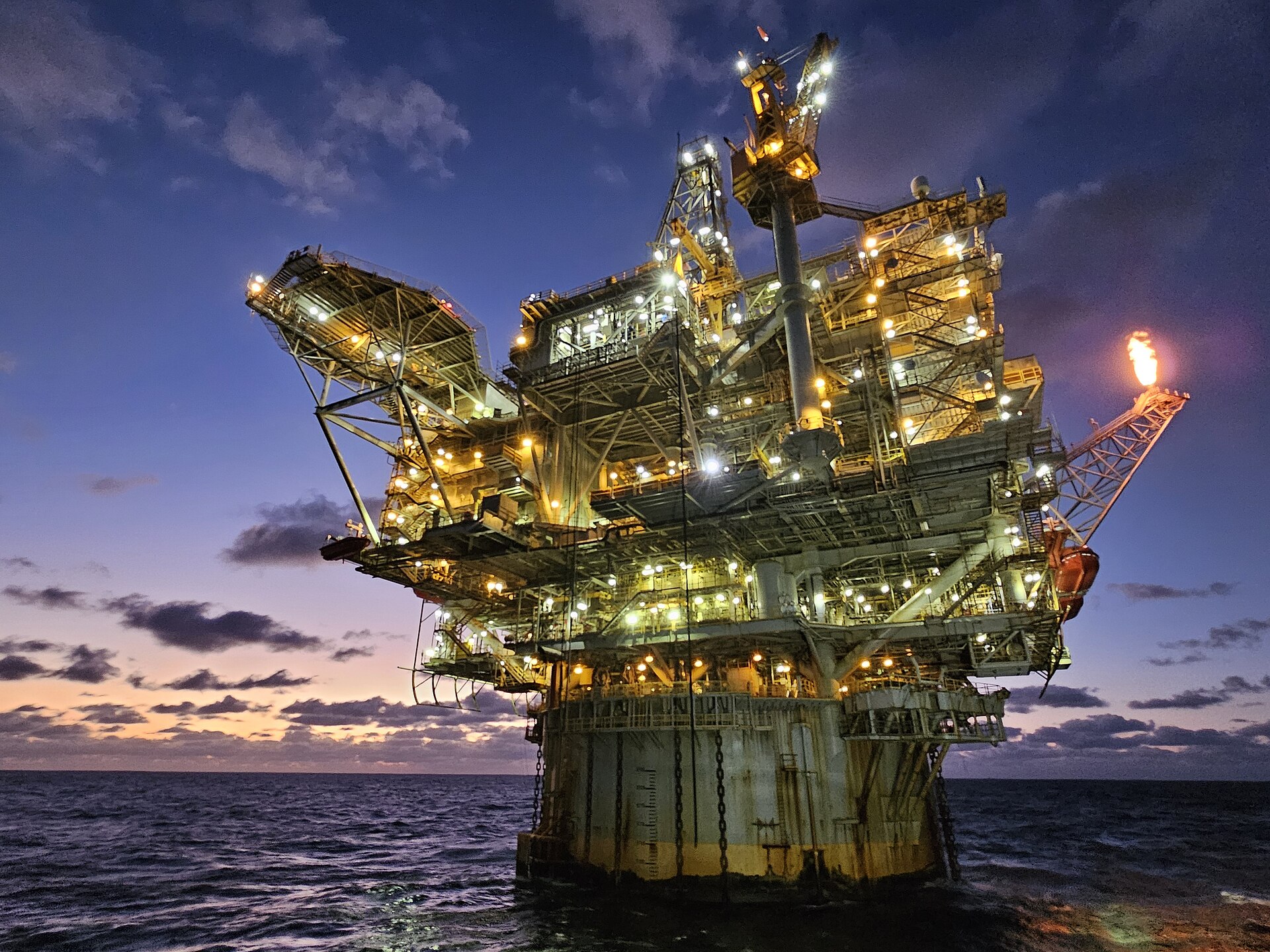
Onshore and offshore drilling engineers do similar technical work, but the conditions and pay packages differ. Offshore roles usually involve rotational schedules, such as two or three weeks on the platform followed by time off, remote living quarters and stricter safety training. Employers often compensate this with higher base pay, offshore allowances, rotation or travel pay and sometimes housing support. Onshore roles can offer more predictable schedules and, in some regions, a lower cost of living, but allowances vary by country and company.
When you compare an onshore and an offshore offer, look at total compensation rather than the monthly base alone. A lower base with generous allowances can match or beat a higher base without them. Also check whether time off is paid, how travel is handled and whether bonuses depend on safety or cost targets.
Pay by Employer Type
BLS publishes petroleum engineer pay by industry. In May 2025, the median was $180,080 in oil and gas extraction, $171,710 in management of companies and enterprises, $165,030 in manufacturing, $126,600 in support activities for mining and $96,040 in engineering services. The pattern is clear: operators and large producers pay the most, while service and consulting firms pay less on average, even for similar job titles.
Rig-Floor Roles Compared With Engineers
Drilling engineers work alongside crews whose pay is also published by BLS. These figures help you see where engineering sits in the wider drilling workforce.
| Role (US, May 2025) | Median annual pay | Jobs in 2025 |
|---|---|---|
| Petroleum engineers (incl. drilling engineers) | $144,910 | 18,500 |
| Rotary drill operators, oil and gas | $67,890 | 12,700 |
| Derrick operators, oil and gas | $58,620 | 10,700 |
| Service unit operators, oil and gas | $58,160 | 43,800 |
| Roustabouts, oil and gas | $46,960 | 45,500 |
The gap shows what a four-year engineering degree and design responsibility are worth in this industry, and why experienced rig-floor workers often move into supervisory or technical roles.
What Pushes a Drilling Engineer's Pay Higher?
Five factors explain most differences between two drilling engineers.
- Experience and well complexity. Engineers who have drilled deepwater, high-pressure or directional wells are paid more than those with only simple onshore wells.
- Employer. Operators and national oil companies usually pay above service companies and consultancies.
- Location and rotation. Remote and international postings often include allowances and tax advantages that raise take-home pay.
- Credentials. A well-control certificate, a master's degree and a professional engineering licence where required support senior roles.
- Oil price cycle. When prices fall, companies freeze hiring and cut bonuses; when prices rise, they compete for experienced engineers.
Skills, Education and Career Path
Most drilling engineers hold a bachelor's degree in petroleum, mechanical, chemical or civil engineering. Early roles often include wellsite engineering or drilling support. With experience, engineers move to lead drilling engineer, drilling superintendent or operations manager roles, or into project and asset management. Useful skills include well planning software, torque and drag modelling, drilling fluids, cementing, well control and basic cost control. Data skills, such as Python or SQL for rig data, increasingly help engineers stand out.
Job Outlook for Drilling Engineers
BLS projects 2% employment growth for petroleum engineers between 2025 and 2035, which is slower than average. Better drilling technology means operators can produce more with fewer rigs, and automation and remote monitoring change how some tasks are done. The field is small and specialised, so competition for the best roles is high even when total demand is stable. Engineers who combine drilling knowledge with data, automation or low-carbon wells such as geothermal can broaden their options.
Frequently Asked Questions About Drilling Engineer Salary
How much does a drilling engineer make? The best official anchor is the petroleum engineer median of $144,910 in May 2025. Individual pay depends on employer, experience, country and rotation.
Do offshore drilling engineers earn more than onshore? Offshore packages usually include allowances for rotation and remote work, so total compensation is often higher, but BLS does not publish a separate offshore figure. Compare total packages.
Is drilling engineering a good career? It is well paid and technically demanding, but the field is small and cyclical. Plan for downturns and keep your skills broad.
What qualifications do I need? A bachelor's degree in engineering is the usual entry requirement, plus well-control and safety training for field work.
Which companies hire drilling engineers? Operators, national oil companies, drilling contractors and service companies all hire them, with different pay and working conditions.
Conclusion: Is Drilling Engineering Right for You?
A drilling engineer salary sits at the top of the engineering pay range, anchored by a $144,910 median for petroleum engineers, and offshore and operator roles tend to pay the most. The trade-offs are rotation, remote work and an industry that rises and falls with oil prices. If you enjoy problem solving under pressure and can plan for the cycle, the financial case is strong. Always compare total packages, not base salary alone, and follow The Daily Energy for career and market updates.
Sources: US Bureau of Labor Statistics, Occupational Outlook Handbook, Petroleum Engineers and Oil and Gas Workers (May 2025 wages; 2025–2035 projections).