Iraq’s Oil Exports Through Turkey’s Ceyhan Port Climb to 500,000 Barrels a Day

Iraq has raised crude oil exports through Turkey’s Mediterranean port of Ceyhan to around 500,000 barrels per day (bpd), up from about 350,000 bpd, according to a North Oil Company source cited by Kurdistan 24 — the first time flows have reached that level since the Kirkuk-Ceyhan pipeline resumed operation in September 2025 after a shutdown of roughly two and a half years. The increase relies heavily on trucking crude from Iraq’s southern fields to the northern pipeline network, a workaround that has taken on new importance since the Strait of Hormuz was effectively blocked by the Iran war in March 2026.
Trucking crude hundreds of kilometers north
About 200,000 bpd of the new Ceyhan volumes is Basrah crude that has been trucked from Iraq’s south to collection stations at Sarallu and Khurmala, then pumped north through the Kirkuk-Ceyhan line, the source said. The remainder comes from northern fields already flowing into the pipeline. The Kirkuk-Ceyhan link had sat idle for about two and a half years before it resumed in September 2025, after Baghdad and the Kurdistan Regional Government settled a dispute over how to split pipeline revenue.
Hormuz disruption reshapes Iraq’s export map
The push to move more crude north reflects the lasting impact of the war-driven closure of the Strait of Hormuz, through which Iraq’s main southern export terminals normally ship most of their crude. Output from Iraq’s southern fields fell by about 70% in the early weeks of the war, to an average of roughly 1.3 million bpd versus about 4.3 million bpd beforehand, forcing Gulf producers, including Iraq, toward workarounds such as ship-to-ship transfers in the Gulf of Oman. Iraqi Oil Minister Bassem Mohammed Khudair has said total exports climbed back above 3.4 million bpd in October, nearing pre-war levels as southern output and alternative routes both recovered — a recovery that parallels the broader rebound tanker trackers have reported for traffic through the strait itself.
A longer pipeline to the Mediterranean is still years away
Baghdad’s longer-term answer to Hormuz risk is a planned pipeline to Syria’s Mediterranean coast, which officials have said is three to four years from completion. Until then, the Kirkuk-Ceyhan corridor and the trucking routes feeding it are Iraq’s main northern alternative to the Gulf, and the latest increase suggests Iraq is leaning further on that option even as flows through the Turkish Straits and Hormuz itself have partly recovered.
Sources
- OilPrice.com, November 2, 2026, citing a North Oil Company source via Kurdistan 24, and Oil Minister Bassem Mohammed Khudair — Ceyhan export volumes, trucking mechanics and October total exports.
- The National and Peregraf, 2026 — Kirkuk-Ceyhan pipeline shutdown history and its 2025 restart.
- TheDailyEnergy.com reporting on Strait of Hormuz tanker flows and Turkish Straits tanker traffic.
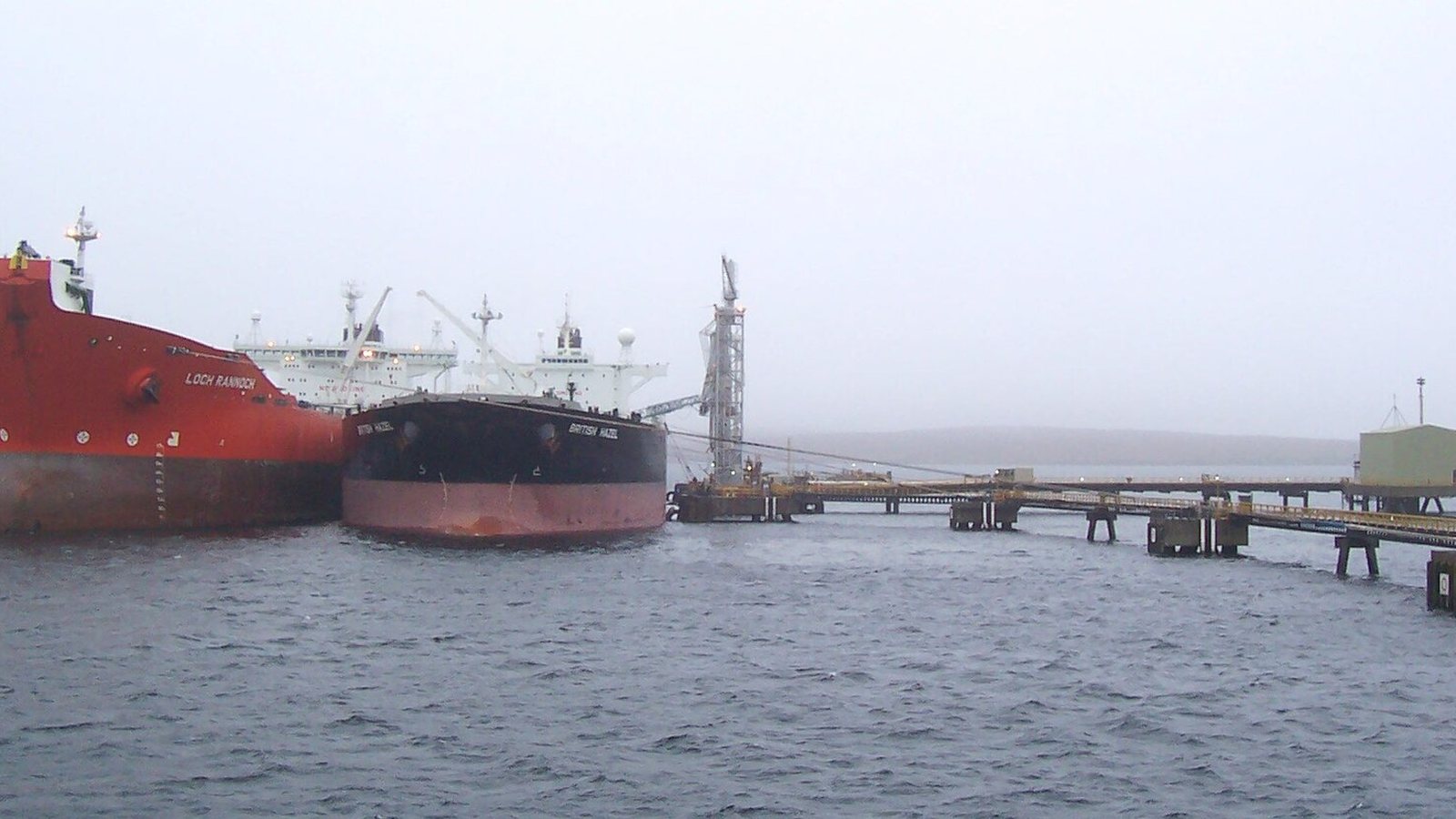
Illustrative image. Photo: john bateson, CC BY-SA 2.0, via Wikimedia Commons — source