Cheniere Signs 4 mtpa LNG Deal With QatarEnergy Running Through 2054

Cheniere Energy has signed long-term liquefied natural gas sale and purchase agreements with QatarEnergy, committing the US exporter to supply 4 million tonnes per annum (mtpa) of LNG from its Gulf Coast terminals through the end of 2054. The deals, announced October 22, mark one of the longest-dated LNG supply commitments Cheniere has signed and give QatarEnergy a new, large US source as it works to diversify its own export portfolio.
A split between two terminals
The volume is divided evenly: 2 mtpa will come from Sabine Pass Liquefaction (SPL) in Louisiana, and 2 mtpa from Corpus Christi Liquefaction (CCL) in Texas. Deliveries are scheduled to begin in the early 2030s. The cargoes will be sold on a free-on-board (FOB) basis, with pricing indexed to the Henry Hub benchmark plus a fixed fee — the same structure Cheniere has used in its long-term contracts with buyers such as Equinor and Chevron. QatarEnergy Minister of State for Energy Affairs Saad Sherida Al-Kaabi and Cheniere Chairman, President and CEO Jack Fusco signed the agreements.
One million tonnes tied to a future expansion
Of the SPL volume, 1 mtpa is contingent on a positive final investment decision for the first phase of the SPL Expansion Project. That phase centers on a new Train 7 and a boil-off-gas reliquefaction unit, together expected to add more than 6 mtpa of capacity. Cheniere signed a lump-sum turnkey engineering, procurement and construction contract with Bechtel for the phase in May 2026. If the full expansion is eventually built out, it could add roughly 20 mtpa at peak, pushing SPL’s total capacity above 50 mtpa. Cheniere currently operates about 56 mtpa of LNG capacity across its two terminals, with roughly 5 mtpa more under construction.
Where this fits for Qatar
The agreement is separate from — and considerably larger and longer than — a different set of talks QatarEnergy has been holding with several US suppliers, including Cheniere, Venture Global and Woodside Energy, for roughly 2-3 mtpa of supply through 2031. Those discussions followed Iranian strikes on Qatar’s Ras Laffan facility in March 2026, which Al-Kaabi has said knocked out about 17% of the country’s LNG export capacity, with repairs potentially taking three to five years. The two tracks should not be conflated, but both point in the same direction: QatarEnergy is working to widen its supply base and reduce its dependence on a single production hub at a time when Gulf shipping has faced repeated disruption — part of a broader diversification pattern visible in who buys Qatar’s LNG and in the pace of Qatar’s own North Field expansion. Al-Kaabi said the new volumes will “complement” QatarEnergy’s existing supply and strengthen its ability to serve customers worldwide, while Fusco called the agreements “pivotal, multi-decade agreements” that reinforce Cheniere’s position as the leading US LNG exporter.
Another long-dated buyer for US Gulf Coast gas
The deal adds to a string of long-term offtake agreements signed by US LNG developers this year as new capacity comes online along the Gulf Coast. For Qatar, locking in US-sourced volumes running through the 2050s provides a hedge against the kind of regional disruption that has periodically affected Hormuz-area shipping and Gulf production in the past year, giving QatarEnergy added flexibility to serve customers in Asia and Europe over the long term.
Sources
- Cheniere Energy, “Cheniere Signs Long-Term Sale and Purchase Agreements to Supply QatarEnergy with LNG through 2054,” October 22, 2026, lngir.cheniere.com — primary source for volumes, duration, pricing and executive quotes.
- Melisa Cavcic, “Cheniere to fuel QatarEnergy with US Gulf Coast LNG through 2054,” Offshore Energy, October 23, 2026, offshore-energy.biz — independent confirmation and SPL Expansion background.
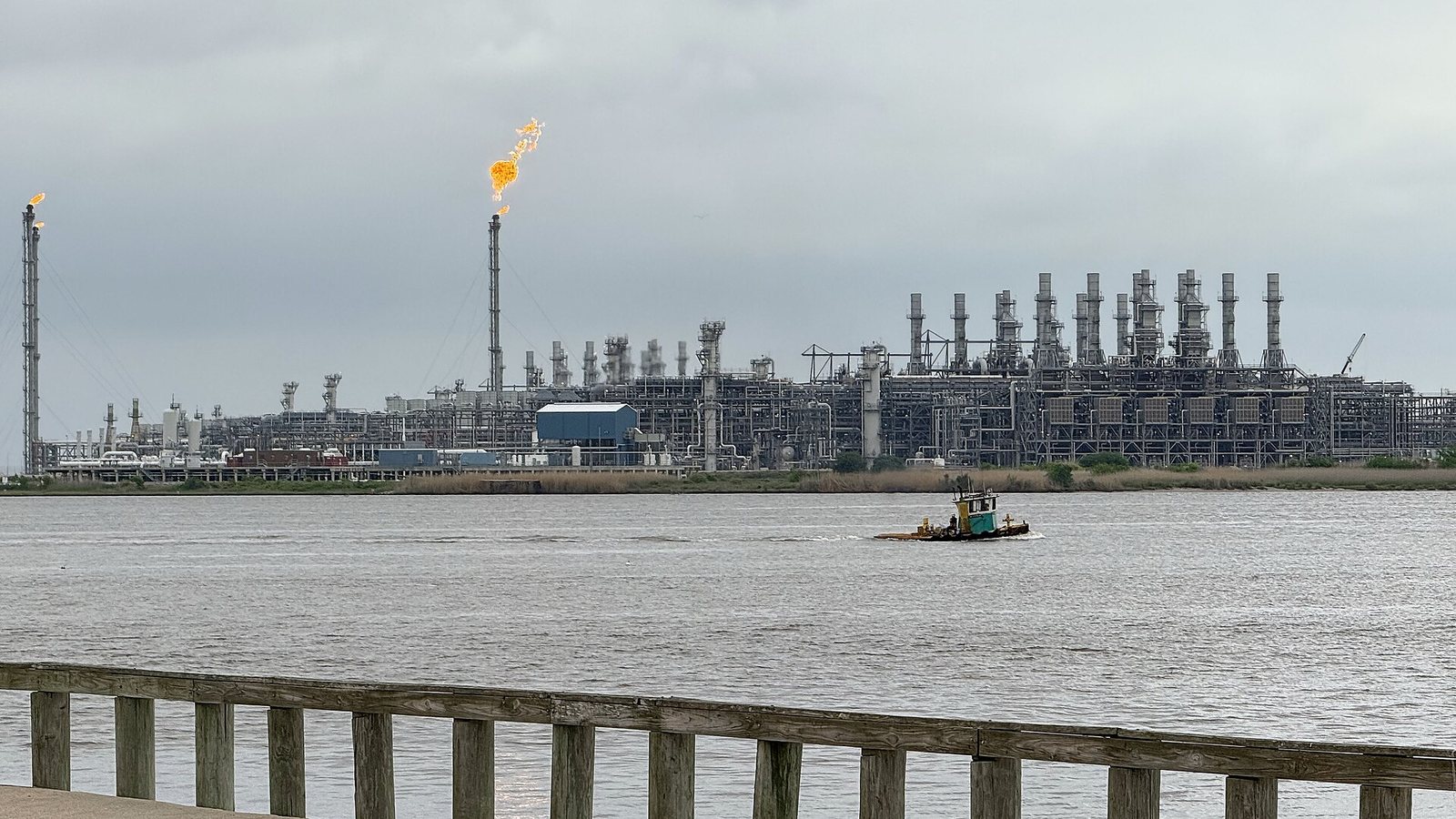
Illustrative image. Photo: Quintin Soloviev, CC BY 4.0, via Wikimedia Commons — source