Japan’s Trade Deficit Nearly Doubles as Hormuz Crisis Inflates Energy Bill

Japan posted a trade deficit of $17.8 billion (2.82 trillion yen) for the April-September period of its fiscal year, nearly double the shortfall recorded over the same six months a year earlier, according to provisional Finance Ministry data released Wednesday. The ministry’s own figures point to a single dominant cause: Japan is paying sharply more for oil and gas it is importing in smaller volumes, as the Strait of Hormuz crisis keeps rerouting and repricing the Middle Eastern energy on which the country has long relied.
Paying more for less
The split between volume and value in the ministry’s data is stark. Crude oil import volumes fell 21.2% year-on-year even as their value rose 26.3% — Japan bought roughly a fifth less oil and paid over a quarter more for it. Petroleum product imports followed a similar pattern, down 26.8% in volume but up 23.2% in value, while liquefied natural gas imports fell 8.4% in volume and still cost 13.5% more. Overall, exports rose 18.4% in value and imports rose 20.4%, meaning even solid export performance — helped by strong AI-related chip demand — could not keep pace with the energy import bill.
Before the regional war disrupted shipping, the Middle East supplied more than 90% of Japan’s crude imports, almost all of it transiting the Strait of Hormuz. What happens when that chokepoint is disrupted is no longer a hypothetical for Tokyo: higher crude prices, and sharply higher freight and insurance costs for tankers willing to make the run, are showing up directly in the trade data.
Coal over gas, reserves over imports
With spot LNG prices staying elevated through the summer, Japanese utilities shifted some power generation from gas back to coal — a reversal of the direction Japan’s energy policy has generally pushed in recent years, driven here by plain cost arithmetic rather than any change in climate ambition. The government has also begun drawing down crude from its strategic petroleum reserves as part of an International Energy Agency-coordinated effort, alongside other member countries, to release 400 million barrels of crude and oil products onto the market — the same coordinated response that has seen the G7 release 100 million barrels of its own diesel and crude stocks as Hormuz-related fighting keeps fuel markets tight.
Tokyo has paired that reserve drawdown with legislation: three bills approved earlier in October are aimed at diversifying Japan’s oil supply away from the Middle East and shoring up energy security more broadly, including grants to offset the higher shipping costs that come with sourcing crude from further afield. Japan is not alone in scrambling to adjust; refiners elsewhere in Asia have also been rethinking their sourcing, with some abandoning US Gulf crude as supertanker rates spiked, and China moving to curb its own fuel exports as the regional market tightens.
A bill that keeps arriving
None of this means Japan’s energy supply has failed — tankers are still arriving, reserves exist precisely to be drawn on, and the government’s diversification bills suggest a country adapting rather than panicking. But the trade figures put a hard number on what that adaptation costs: billions of dollars in extra spending for materially less fuel than Japan would otherwise have bought, with the gap between what it ships out and what it brings in widening on an energy bill it does not fully control. As long as the Strait of Hormuz remains a source of risk rather than a reliable transit route, Japan’s trade data is likely to keep reflecting it.
Sources
- Oilprice.com, “Japan’s Trade Deficit Doubles as Hormuz Crisis Hikes Energy Import Costs,” October 21, 2026 — citing Japan’s Ministry of Finance provisional trade statistics for April-September 2026, import/export volume and value breakdowns, and details of Japan’s IEA-coordinated reserve release and domestic policy bills. oilprice.com
- Japan Ministry of Finance — primary source for the underlying April-September 2026 trade statistics. mof.go.jp
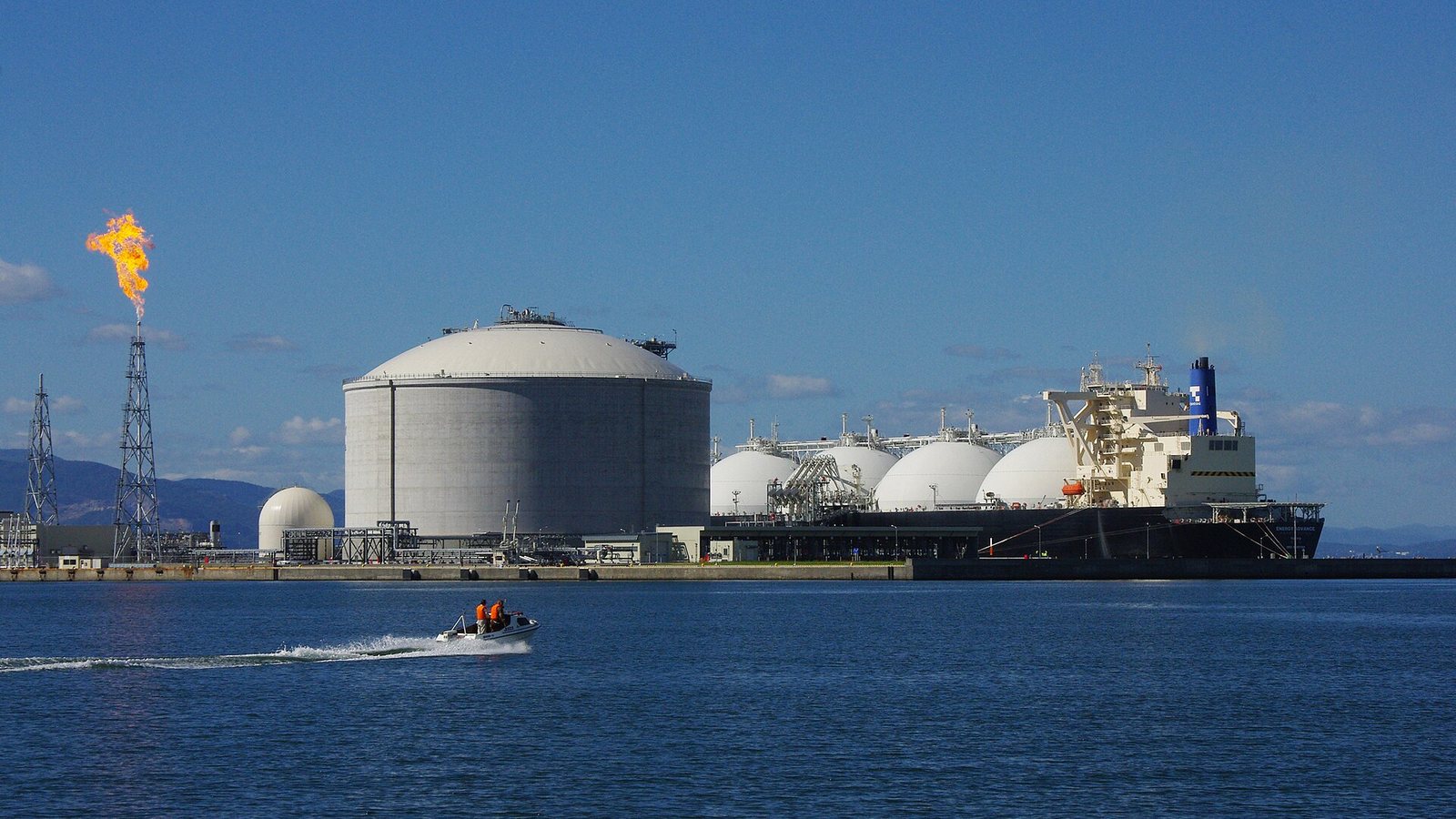
Illustrative image. Photo: とまりん♪, CC BY-SA 2.1 jp, via Wikimedia Commons — source