


Cold Lake First Nations Sues Over Pacific Link Pipeline Designation

Cold Lake First Nations has asked Canada’s Federal Court to quash the federal government’s decision to designate the proposed Pacific Link oil pipeline a project of “national interest,” arguing Ottawa never met its constitutional duty to consult the community before fast-tracking the project. The Alberta-based First Nation filed its application for judicial review on October 8, 2026, making it the first legal challenge to a designation the government is using to speed major energy infrastructure through regulatory review.
What Cold Lake First Nations is arguing
In its court filing, Cold Lake First Nations says the government failed in its constitutional duty to consult before declaring Pacific Link a national interest project, a status that lets Ottawa fast-track permitting and reviews under the Building Canada Act. The community argues the designation effectively pre-approves the related Pathways carbon capture project at the oil sands without the government ever having consulted Cold Lake on either initiative. The Assembly of First Nations has separately flagged what it calls “many red flags” in how the designation was made, saying the process appears to predetermine outcomes before consultation takes place.
How Pacific Link got here
Prime Minister Mark Carney and Alberta Premier Danielle Smith announced the Pacific Link project, a proposed crude oil pipeline running from Alberta to the British Columbia coast, as part of a broader push to open new export capacity for Canadian oil. The national interest designation is one of the first major tests of the Building Canada Act, legislation Ottawa passed to accelerate projects it considers strategically important, including energy, mining and infrastructure developments. Under the designation, the government has set a goal of completing required reviews and consultations within a year, with construction targeted to begin the following September. The pipeline is tied to the Pathways Alliance, a consortium of oil sands producers planning a large carbon capture and storage network, which the Cold Lake filing says would also benefit from the designation without separate consultation.
Why the challenge matters beyond one pipeline
Canadian courts have repeatedly held that the Crown has a constitutional duty to consult Indigenous communities before approving projects that could affect their rights, a principle that has shaped, delayed and in some cases reshaped pipelines such as other major energy projects involving Indigenous communities in Canada. The Carney government has made new pipeline capacity a priority as it looks to diversify export markets amid trade tension with the United States, and the national interest designation was designed specifically to compress timelines that have historically stretched major Canadian pipelines across a decade or more. A Federal Court ruling against the designation would not kill Pacific Link outright, but it would force Ottawa to redo part of its process and could complicate the government’s pledge to fast-track other projects under the same tool.
What happens next
The Federal Court has not set a hearing date, and the government has not yet filed a public response to the judicial review application. Ottawa’s own timeline calls for completing consultations and regulatory reviews within a year of the designation, with construction targeted for the following September, a schedule that now has to accommodate however long the court challenge takes to resolve. How the court treats the consultation question is likely to be closely watched by other First Nations and companies tracking the Building Canada Act, since it will be the first judicial test of whether the designation tool itself satisfies Canada’s consultation obligations.
Sources
- Bloomberg, “First Nation files legal challenge to Canadian Pacific Link pipeline,” October 8, 2026 — filing details and government timeline.
- APTN News, “Cold Lake First Nations seeks judicial review of pipeline designation,” October 2026 — consultation claims and Pathways link.
- The Canadian Press via Lethbridge Herald and PANOW, “Cold Lake First Nations seeks judicial review of Pacific Link pipeline designation,” October 8, 2026 — Assembly of First Nations comments.
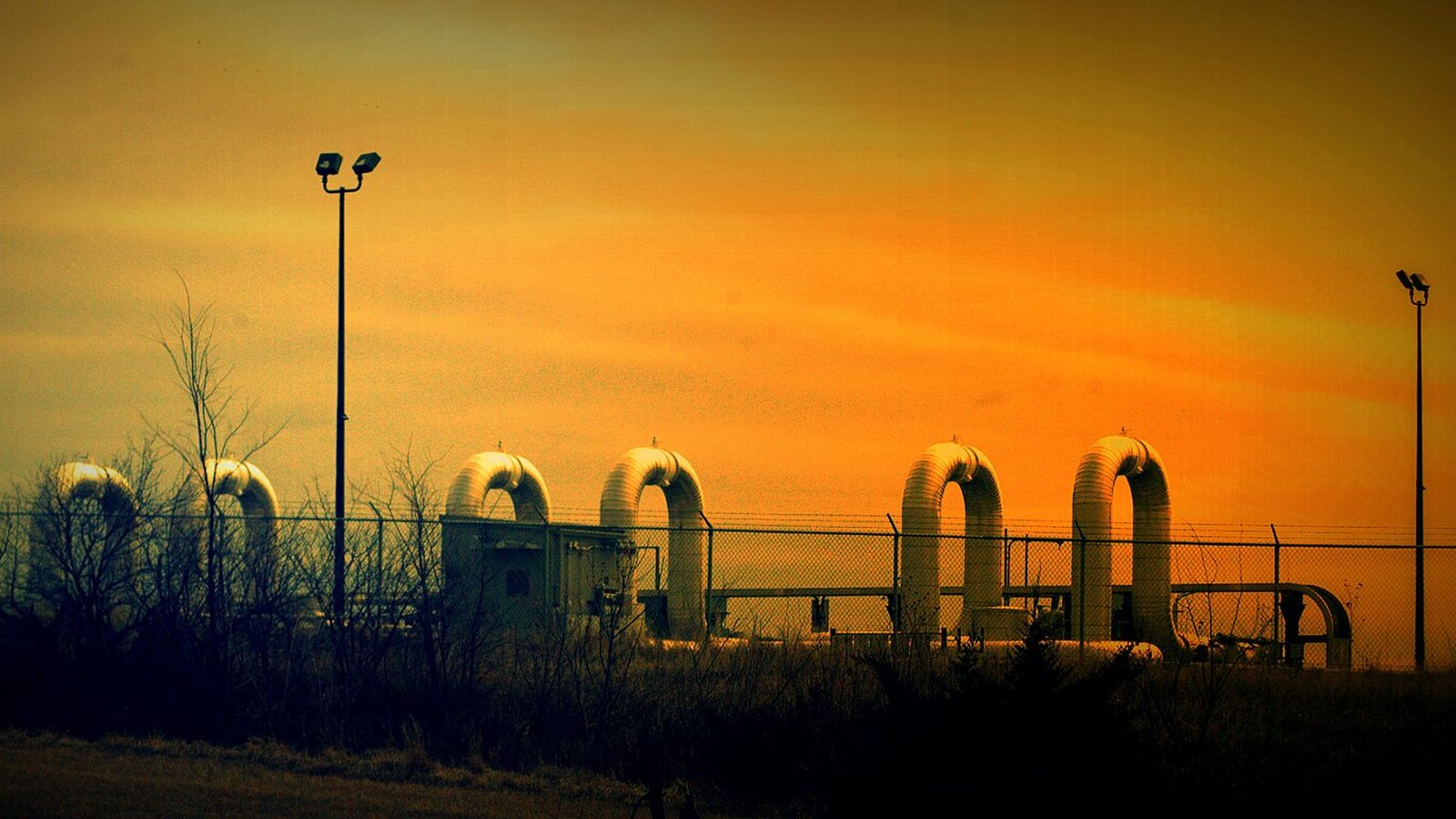
Illustrative image. Photo: shannonpatrick17 from Swanton, Nebraska, U.S.A., CC BY 2.0, via Wikimedia Commons — source



.jpg)