G7 to Release 100 Million Barrels of Diesel and Crude as Hormuz Fighting Keeps Fuel Tight

Group of Seven governments agreed on Friday to release 100 million barrels of diesel and crude oil from strategic reserves over the next four months, coordinating the drawdown through the International Energy Agency to ease a fuel squeeze that has pushed diesel prices to multi-year highs on both sides of the Atlantic.
The release will be front-loaded, with a “substantial” diesel tranche to reach the market within the first 20 days, according to the G7 statement. Roughly half the volume, about 50 million barrels, is expected to come as diesel released by European governments, while the other half, mostly crude, will be supplied by IEA member countries drawing on strategic stocks.
Crude is flowing again, but diesel still isn’t
The move reflects an uneven recovery in Strait of Hormuz shipping since Iran began attacking tankers passing through the waterway after the war that broke out on February 28. Crude oil flows through the strait have climbed back to close to prewar levels, helped by a stepped-up US naval and air presence in the Gulf, including additional Patriot missile batteries moved to Saudi Arabia and Qatar to shield energy infrastructure from Iranian strikes.
Refined-product shipments have not recovered at anything like the same pace. Tankers carrying diesel and gasoline through Hormuz remain at only a fraction of their pre-war volumes, traders say, partly because insurers and shipowners treat product tankers — often smaller and more exposed at Gulf loading terminals — as a higher-risk target than crude carriers moving through better-protected corridors.
Diesel pain at the pump
The supply gap has shown up directly in retail prices. US diesel has climbed to around $6.50 a gallon, nearly $3 higher than a year ago, squeezing trucking, farming and shipping costs across the economy. In Europe, diesel has reached about €2.24 a liter, up from €1.59 before the Iran war began in late February.
The squeeze has been compounded by other supply moves this week: China halted most of its October diesel and gasoline exports to protect domestic supply, removing a swing supplier that Asian and European buyers had leaned on, while Italy has summoned its refiners to an October 8 meeting after pump prices hit records.
A second release on top of March’s
Friday’s announcement builds on an IEA-coordinated release of 400 million barrels agreed in March, of which member countries had already drawn down roughly two-thirds by the time of the new decision. The repeated tapping of emergency stocks has left some members with less room to maneuver: the US Strategic Petroleum Reserve is already at its lowest level since 1982, limiting how much more Washington itself can contribute without rebuilding stocks first.
No export bans, G7 pledges
Alongside the release, G7 leaders pledged not to impose export restrictions on energy products traded between member countries and called on other producers to avoid new export bans of their own. French President Emmanuel Macron said leaders “all committed to releasing strategic reserves … and we all pledged that there would be no export bans,” framing the coordinated release as much about preventing a fragmentation of fuel trade as about adding barrels to the market.
The G7 statement also reaffirmed sanctions against Russia and condemned Iran’s attacks on shipping in the Gulf, tying the energy response to the broader diplomatic standoff over the war’s continuation.
Sources
- The National, “G7 members agree to release 100 million barrels of diesel and other reserves,” October 2, 2026 — deal structure, timeline, Macron quote.
- OilPrice.com, “G7 Moves to Release 100 Million Barrels to Counter Diesel Crisis,” October 2, 2026 — volume split and market context.
- International Energy Agency, March 2026 collective action statement (referenced) — baseline for the prior 400-million-barrel release.
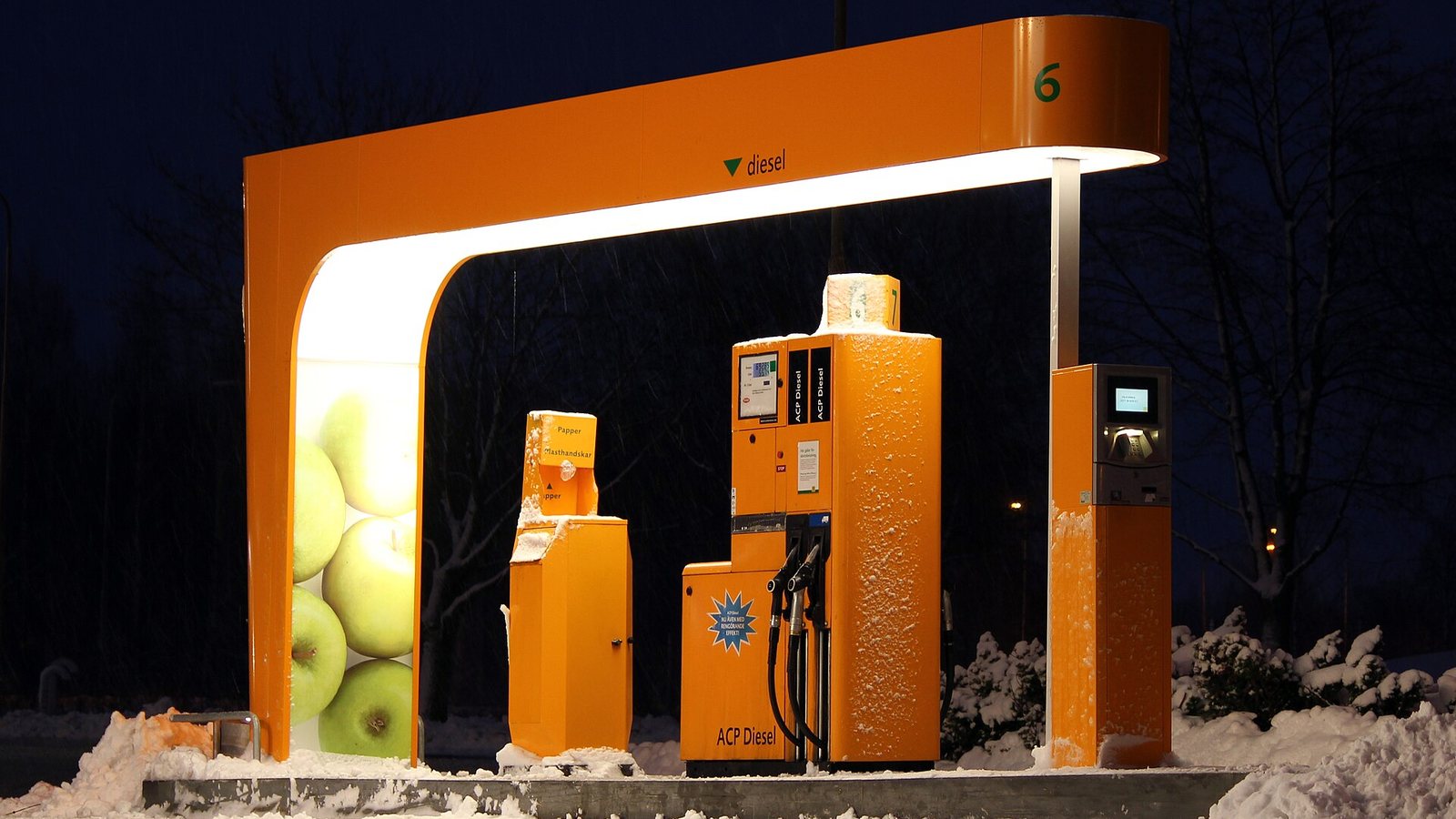
Illustrative image. Photo: Calle Eklund/V-wolf, CC BY 3.0, via Wikimedia Commons — source