DOE Issues Seventh Emergency Order to Keep Michigan’s Campbell Coal Plant Running Through February

The US Department of Energy has issued its seventh emergency order under Section 202(c) of the Federal Power Act directing the Midcontinent Independent System Operator (MISO) and majority owner Consumers Energy to keep the J.H. Campbell coal-fired plant in West Olive, Michigan, running past its planned retirement date. The order, issued around November 17, keeps the plant online until February 12, 2027 — nearly two years beyond the retirement date of May 31, 2025, that Consumers Energy and regulators had previously approved.
A standoff that has already lost in court once
DOE’s latest order comes two months after a federal appeals court vacated an earlier emergency order covering the same plant, ruling that the department had overstepped by usurping state authority over which generating resources a utility may retire. Rather than revising its approach to address that ruling, DOE issued a new order under the same legal authority, prompting Michigan Attorney General Dana Nessel to say her office will seek a rehearing. Her office has characterized the new order as making no further effort to comply with the court’s findings.
What it is costing ratepayers
According to the attorney general’s office, the string of emergency orders keeping Campbell open had already cost Consumers Energy customers roughly $180 million through this past March. The Michigan League of Conservation Voters, cited in trade press coverage of the order, estimates that this latest extension will consume more than half of the roughly $600 million in savings Michigan ratepayers were projected to see by 2040 from the plant’s planned closure, since Campbell’s coal-fired generation costs more to run than the capacity it would otherwise be replaced with.
DOE’s justification, and the pushback
Energy Secretary Chris Wright has said that keeping Campbell and other coal units available “has prevented blackouts and likely saved lives,” framing the orders as part of the department’s broader push to shore up grid reliability ahead of winter, alongside other recent DOE interventions on transmission and generation capacity. Environmental groups and Michigan officials dispute that reasoning, saying they have seen no evidence that Campbell’s output has ever been needed to avert an actual grid emergency in MISO’s territory, as opposed to being kept on standby as a precaution.
Part of a broader pattern on coal retirements
Campbell is not an isolated case; DOE has used the same 202(c) emergency authority to delay coal plant retirements elsewhere in the US Midwest as utilities and grid operators warn of tightening reserve margins during winter demand peaks. The dispute also sits against a starkly different backdrop overseas, where generation from coal-fired power in China has been falling for a fourth consecutive month as solar and wind output climbs, illustrating how differently coal’s near-term role is playing out across major power systems. A combined-cycle gas plant of comparable size would typically run at a fraction of Campbell’s fuel cost, which is central to the ratepayer-cost dispute in Michigan.
Sources
- Michigan Attorney General’s office, press release on the seventh DOE emergency order, Nov. 17, 2026 — new expiration date, cost estimate through March, rehearing plans.
- Utility Dive, “Over court objections, DOE issues order on Campbell coal plant,” Nov. 2026 — MISO/Consumers Energy directive, legal background on the vacated order.
- U.S. Department of Energy, “Energy Secretary Keeps Critical, Coal-Fired Generation Operational Ahead of Winter in the Midwest,” Nov. 14, 2026 — DOE’s stated rationale and Secretary Wright’s comments.
- Michigan Advance, coverage of the September federal appeals court ruling vacating the earlier Campbell order — legal basis for the dispute.
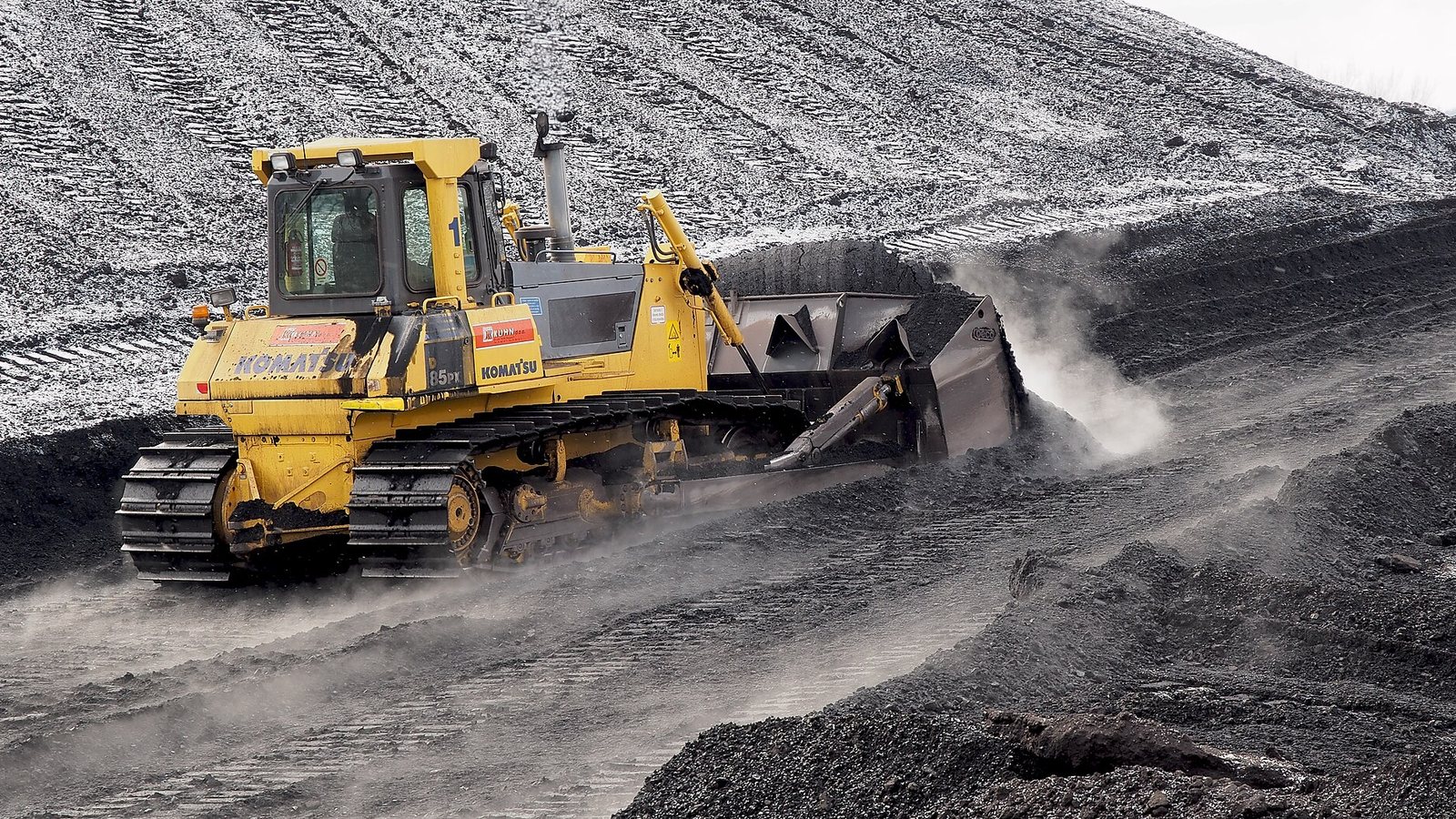
Illustrative image. Photo: Petar Milošević, CC BY-SA 4.0, via Wikimedia Commons — source