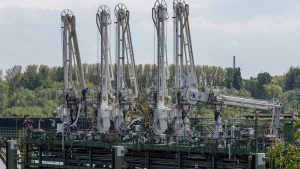
ADNOC Company Profile: Business and Global Expansion
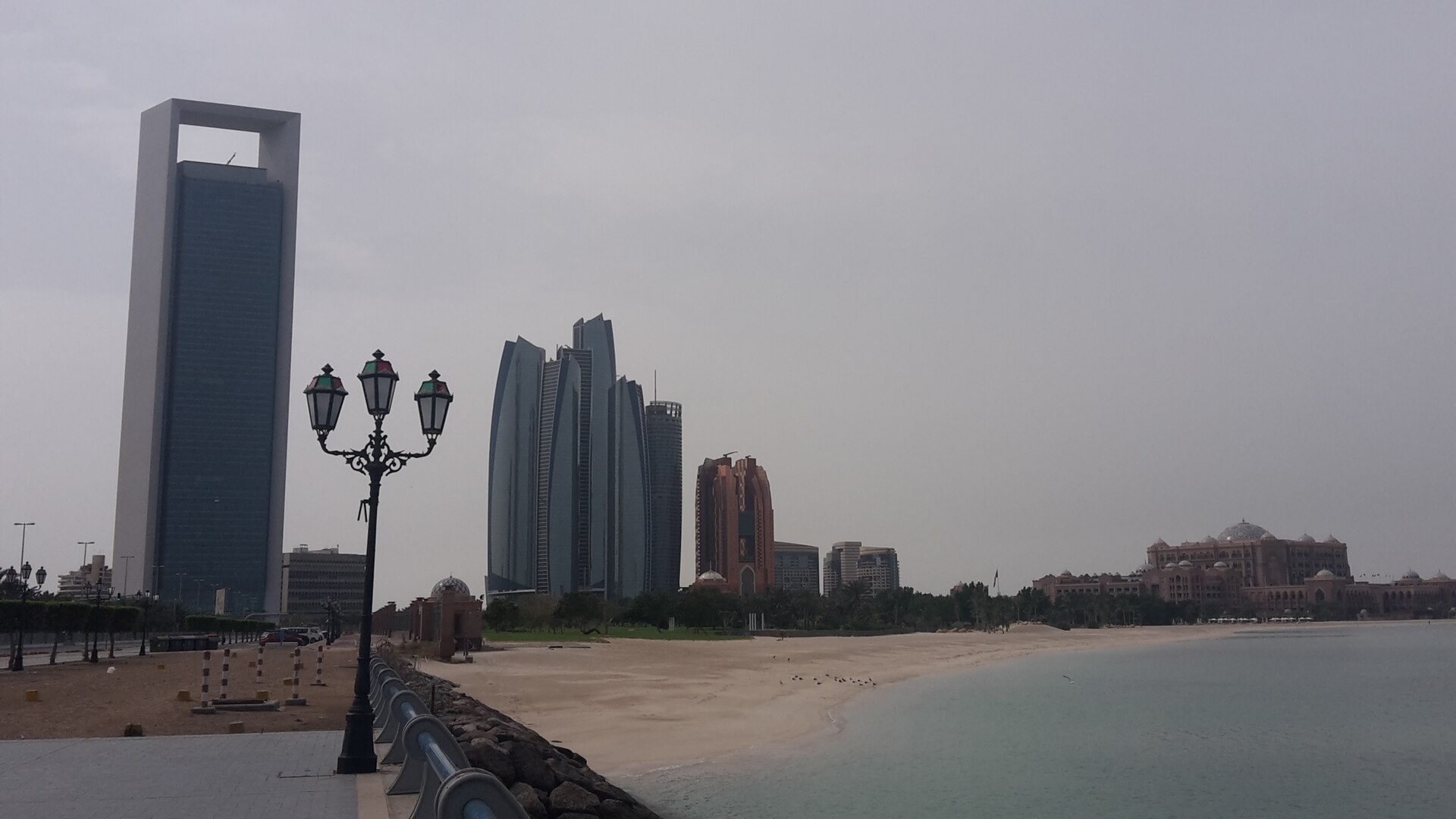

ADNOC, the Abu Dhabi National Oil Company, is the state-owned energy group of Abu Dhabi and one of the largest oil and gas producers in the Middle East. It was founded in 1971 and now spans upstream production, gas processing, refining, petrochemicals, shipping and distribution, with a growing international investment arm. This profile explains where ADNOC came from, how it makes money, which assets matter most and how it is repositioning for a lower-carbon energy system.
ADNOC at a Glance
- Full name: Abu Dhabi National Oil Company.
- Founded: 1971, in Abu Dhabi, United Arab Emirates.
- Ownership: wholly owned by the Government of Abu Dhabi, although several subsidiaries are listed on the Abu Dhabi Securities Exchange with minority public shareholders.
- Core activities: crude oil and gas production, gas processing, refining, petrochemicals, LNG, fuel distribution, marine logistics and low-carbon projects.
- Official information: adnoc.ae.
ADNOC History and Ownership
Abu Dhabi began exporting crude oil in the early 1960s through concessions held by international companies. ADNOC was set up in 1971, the same year the United Arab Emirates was formed, to give the emirate a national vehicle for managing its hydrocarbons. Over the following decades the government increased its stake in the concessions and ADNOC took on a larger operating role, working with partners such as BP, Shell, TotalEnergies and ExxonMobil.
Policy direction for the sector comes from the Abu Dhabi authorities, with the group managed by a Group CEO and board. From the late 2010s ADNOC opened some of its businesses to outside capital. ADNOC Distribution was listed earlier, followed by ADNOC Drilling, ADNOC Logistics and Services, ADNOC Gas and others. These listings let investors buy shares in individual businesses while the parent keeps control.
The UAE left OPEC and OPEC+ effective 1 May 2026, a decision that gives ADNOC more flexibility over how it manages production capacity.
How the group is organised
ADNOC works through a mix of wholly owned divisions, subsidiaries and joint ventures. Upstream concessions are held with international partners in structures that differ from field to field, which is why production attributed to ADNOC and production from its own operated assets are not always the same thing. This structure matters when you compare the company with other national oil companies, many of which keep nearly everything in a single balance sheet.
Core Business and Revenue Drivers
Upstream oil production
Upstream is the profit centre. ADNOC and its partners produce crude from onshore and offshore fields, with Upper Zakum among the best known offshore developments. Murban, the group’s flagship grade, now trades on a futures contract on ICE Futures Abu Dhabi, launched in 2021, which gives buyers a transparent price reference outside the traditional benchmarks.
Gas and ADNOC gas business
The ADNOC gas business processes natural gas for domestic power, industry and export. Gas feeds electricity generation, fertiliser and petrochemical plants and supports liquefied natural gas exports from Das Island. Expanding gas output is central to the company’s plans, partly to serve domestic demand growth and partly to replace oil burned for power.
Refining and petrochemicals
The Ruwais industrial complex hosts one of the larger refining operations in the region and is the base for petrochemical production through Borouge, a joint venture with Borealis. Fertilizer production is handled through Fertiglobe. These downstream segments add value to hydrocarbons and reduce reliance on crude sales alone.
Services and distribution
Subsidiaries cover drilling rigs, marine transport, retail fuel stations and logistics. These businesses earn fees and margins that are less tied to oil price swings than raw crude production.
Key Assets, Projects and Markets
| Area | Examples | Why it matters |
|---|---|---|
| Offshore oil | Upper Zakum, Lower Zakum, Umm Shaif | Backbone of crude output |
| Onshore oil and gas | Bab, Bu Hasa, Habshan, Shah | Large fields and gas processing hubs |
| LNG | Das Island export terminal; planned Ruwais LNG | Gas export and diversification |
| Refining and chemicals | Ruwais complex, Borouge | Higher-value products |
| Crude benchmark | Murban futures | Price visibility for Asian buyers |
Asia is the principal destination for Abu Dhabi crude, with long-term customers in Japan, South Korea, India and China. ADNOC has also signed supply and investment deals with European and Asian buyers over time, and it sells gas products and chemicals to a wider market.
Scale and Financial Profile
ADNOC is among the world’s larger national oil companies by production capacity. It has publicly stated a goal of raising crude production capacity to 5 million barrels per day, and it reports results mainly through its listed subsidiaries and through periodic company announcements. For current revenue, profit and production figures, consult ADNOC’s official releases and the filings of its listed units on the Abu Dhabi Securities Exchange rather than relying on rounded numbers in media summaries.
Because its listed subsidiaries publish regular results, investors can follow segments such as drilling, gas and distribution separately, which is unusual among national oil companies.
Global Expansion and the ADNOC Strategy
For much of its history ADNOC focused on Abu Dhabi’s own resources. More recently the group has built an international profile. XRG, ADNOC’s international investment company, was created to pursue gas, chemicals and low-carbon investments abroad. Its best-known transaction is the agreed takeover of the German chemicals group Covestro, announced in 2024, which signalled interest in industrial assets beyond oil and gas production.
ADNOC has also taken part in international upstream partnerships, built relationships with Asian buyers and signed long-term LNG supply agreements. The aim is to place Abu Dhabi hydrocarbons into more markets and to capture margin further along the value chain.
Why the Gulf matters for ADNOC buyers
Asian importers value Abu Dhabi supply because shipping routes are short and contracts are long. Murban can also be loaded at Fujairah, which sits outside the Strait of Hormuz, so part of the export system does not depend on passage through that chokepoint. That logistics advantage is a recurring theme in discussions of Gulf energy security.
ADNOC and the Energy Transition
The group has announced a net-zero by 2045 ambition for its operations, and it has invested in carbon capture, hydrogen and renewables. Its Habshan carbon capture facility, operating since 2016, was the first commercial scale carbon capture project in the region. ADNOC is also a shareholder in Masdar, the Abu Dhabi renewable energy company, alongside other state-linked entities, and it is working on electrifying parts of its offshore operations.
Critics note that the company remains focused on expanding oil and gas capacity, so its transition plans will be judged on measurable emissions reductions rather than announcements. Readers who want hard numbers should look at ADNOC’s sustainability reporting and independent analysis from agencies such as the IEA.
Jobs and Careers at ADNOC
ADNOC and its subsidiaries recruit engineers, geoscientists, operators, technicians, finance and digital specialists. The group runs graduate and development programmes and advertises vacancies on its official careers pages, while its listed subsidiaries often post their own openings. Emiratisation policies prioritise UAE nationals in many positions, but expatriates are hired across technical and specialist roles. Always apply through official channels and be cautious of unofficial recruitment offers.
Frequently Asked Questions About ADNOC
What does ADNOC stand for?
ADNOC stands for Abu Dhabi National Oil Company. It is headquartered in Abu Dhabi.
Who owns ADNOC?
The Government of Abu Dhabi owns the parent company. Some subsidiaries are partly listed and have public shareholders.
Is ADNOC the same as OPEC?
No. ADNOC is a company, while OPEC is an intergovernmental organisation. The UAE’s own membership ended in 2026, as noted above.
What is Murban crude?
Murban is a light, low-sulphur crude from Abu Dhabi, exported from Fujairah. It trades on a futures contract on ICE Futures Abu Dhabi.
Does ADNOC invest outside the UAE?
Yes. Through XRG and other partnerships, it invests in gas, chemicals and energy transition assets in several regions.
Conclusion
ADNOC combines large-scale oil production, a growing gas and chemicals business, partly listed subsidiaries and an expanding international footprint. Its future will depend on how it balances capacity growth with decarbonisation commitments. For up-to-date financial and production data, rely on official ADNOC announcements and independent energy agencies.
Sources and further reading
- Abu Dhabi National Oil Company official website: adnoc.ae
- Abu Dhabi Securities Exchange, filings of listed subsidiaries: adx.ae
- International Energy Agency (IEA), country and company analysis: iea.org
- OPEC, member information: opec.org
- ICE Futures Abu Dhabi, Murban contract information: ice.com