US Justice Department Moves to Revoke Permits for Revolution Wind and Two Other Offshore Wind Farms

The US Department of Justice has filed motions in three separate federal court cases asking judges to revoke the Interior Department’s approvals for Revolution Wind, Maryland Offshore Wind and New England Wind, according to court filings reviewed by Utility Dive. The move marks the first attempt by the Trump administration to unwind a federal permit for an offshore wind farm that has already finished construction and is delivering electricity to the grid.
Three Projects, One Legal Theory
The three projects together represent about 5.5 GW of offshore wind capacity. Revolution Wind is a 704 MW farm off Rhode Island developed by a 50/50 venture between Ørsted and Skyborn Renewables; it finished offshore construction and has been feeding power into New England’s grid since March. Maryland Offshore Wind, developed by US Wind, is permitted for 2.2 GW off Ocean City but has not started construction; the developer has said it paused work because of rising costs and the risk of losing its investment if the permit were pulled. New England Wind, an Avangrid project rated at 2.6 GW off Massachusetts and Rhode Island, is also pre-construction.
DOJ’s motions ask the courts to send each project’s Construction and Operations Plan approval back to the Bureau of Ocean Energy Management for reassessment, arguing the Biden-era approvals may have violated the Outer Continental Shelf Lands Act. In the Maryland case, filed in the long-running suit brought by the mayor and city council of Ocean City, DOJ pointed to BOEM’s own review documents, which found “moderate adverse” and “major adverse” impacts on resources including endangered species, yet still recommended approval. The New England Wind motions were filed in separate suits brought by the groups ACK for Whales and Green Oceans.
An Operating Wind Farm Faces a Retroactive Challenge
Revolution Wind’s case stands apart because the project is no longer theoretical: it is built and generating power. Ørsted spokesperson Karl-Erik Stromsta confirmed the project recently completed offshore construction and said the company would provide an update on its November 5 earnings call. Only a handful of small pilot and early commercial arrays fed the US grid before Revolution Wind, so revoking its approval after commissioning would be the first attempt to retroactively undo a completed federal offshore wind permit, rather than stop one still in development.
Tony Irish, a former Interior Department associate solicitor now with Public Employees for Environmental Responsibility, called the Revolution Wind filing “outrageous,” arguing it would take active, already-connected generation off the grid in New England just as the region heads into winter. He said the full set of filings “upend not only the settled expectations of Congress” that had underpinned a separate permitting deal moving through the Senate.
Part of a Wider Rollback
The filings extend a pattern that began with a December stop-work order halting construction on five offshore wind projects and continued with the administration’s buyback of several offshore wind leases, typically structured so that a developer’s payment is matched by an equal investment in other energy sources such as oil, gas or geothermal. Taken together, the US offshore wind pipeline that once totaled tens of gigawatts in planned Atlantic coast capacity has been reduced project by project over the past year through stop-work orders, lease buybacks and now permit-revocation motions that do not distinguish between projects still in planning and ones already built. The contraction stands in contrast to Europe, where Ofgem recently opened a record £3.5 billion tender for Hornsea 3’s transmission assets and ScottishPower just completed a record-length cable landfall for its East Anglia Two wind farm, both signs that offshore wind construction is still moving ahead elsewhere even as the US pipeline shrinks.
The timing also complicates the Bipartisan American Affordability and Jobs Act, a permitting bill unveiled in September that is awaiting action in the Senate Energy and Natural Resources Committee. One of its provisions is meant to stop federal agencies from favoring some energy resources over others in permitting decisions, part of a deal reported to have followed assurances that wind and solar projects would get fairer treatment. Sen. Sheldon Whitehouse (D-RI), a sponsor of the bill, said of the new DOJ filings: “This is how you blow up a permitting deal.” The Senate is expected to take up amendments to the bill when it returns in November.
None of the three developers has yet filed a formal response to the DOJ motions in court, and neither BOEM nor the Interior Department has issued a public statement beyond the filings themselves.
Sources
- Utility Dive, “DOJ moves to revoke offshore wind permits, potentially threatening Senate permitting bill,” Oct. 22, 2026 — court filings, quotes and legislative context
- Congress.gov — record of the Bipartisan American Affordability and Jobs Act
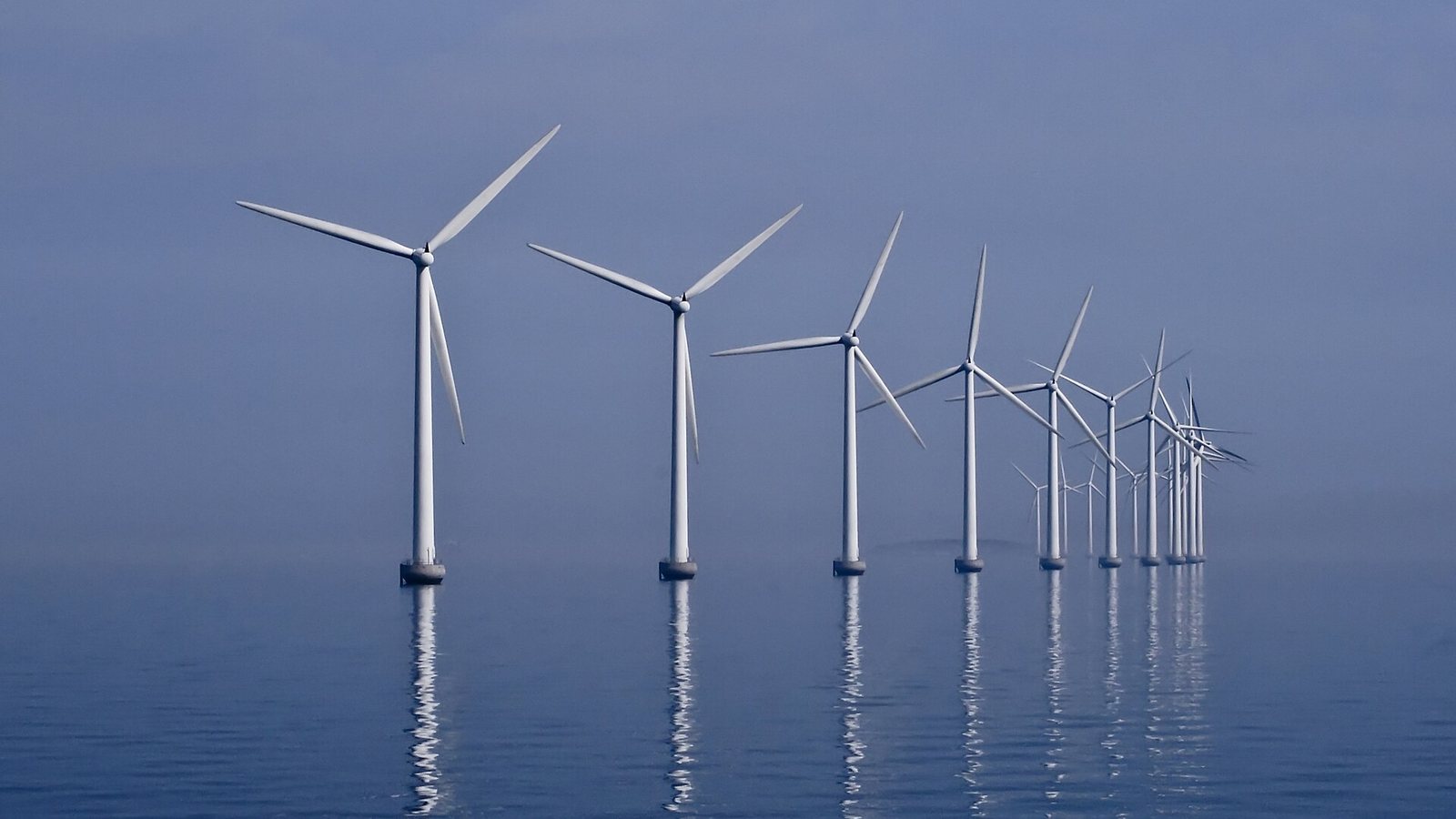
Illustrative image. Photo: Photo by Kim Hansen. Postprocessing (crop, rotation, color adjustment, dust spot, CC BY-SA 3.0, via Wikimedia Commons — source