Russia to Release 36 Million Barrels of Diesel as IEA Warns of Tightness Into 2027

Russia has agreed to release about 4.8 million tonnes of diesel — roughly 36 million barrels — to world markets starting this month under an arrangement reached with the United States, as the International Energy Agency’s October Oil Market Report warns that global diesel supply will stay tight into 2027 even as refining capacity slowly recovers.
A new US-Russia diesel arrangement
Under the deal, struck alongside Washington’s broader thaw with Moscow, Russia is to supply 300,000 tonnes of diesel to international markets immediately, followed by 500,000 tonnes in November, building toward the full 4.8 million tonnes over time. The arrangement follows President Trump’s decision to suspend new Russia oil sanctions earlier this month, as The Daily Energy reported on 19 October. Neither government has published the full terms, and it remains unclear how the volumes will be allocated among buyers.
Why the market needed it: the IEA’s October numbers
The move comes as the IEA’s October report puts September’s combined diesel export loss from Russia and the Middle East at 1.3 million barrels a day, a shortfall only partly offset by higher supply from the US and China. Global diesel exports were still down about 700,000 b/d year-on-year in September, the agency said, forcing counter-seasonal inventory draws just as refiners head into autumn maintenance and northern-hemisphere winter demand picks up. Diesel prices have eased from the record highs of more than $200 a barrel reached in September, but the IEA says benchmark diesel remains nearly twice as expensive as crude oil and close to double pre-crisis levels.
Relief pushed into 2027
The agency expects rising global refinery runs to tip the gasoil market, which includes diesel, back into surplus in the first quarter of 2027. But it cautions that a brief surplus will not be enough to rebuild depleted inventories, which it does not expect to happen before the second half of next year. In the IEA’s reading, the bottleneck is refining capacity — damaged, shut-in or export-restricted plants in Russia and the Middle East — rather than a lack of crude oil feeding those plants.
Demand destruction adds to the picture
The IEA also lowered its 2026 global oil demand forecast, now projecting a drop of 2.6 million b/d for the year and 2.5 million b/d in the fourth quarter alone, year-on-year. Diesel accounts for roughly a quarter of that decline, the agency said, as the broader Iran war works through the economy via restricted product availability, elevated fuel prices and a weaker growth outlook in affected regions.
A crisis that has already reshaped global fuel flows
Tuesday’s Russian diesel pledge is the latest in a string of moves governments and companies have made to manage the shortfall. The G7 agreed to release 100 million barrels of combined diesel and crude reserves earlier this month as Hormuz fighting intensified, China halted most of its October fuel exports to conserve domestic diesel supply, and the US Strategic Petroleum Reserve fell to its lowest level since 1982 after repeated emergency releases. Those measures have blunted, but not resolved, a shortage the IEA now says will persist for most of another year.
Sources
- International Energy Agency, Oil Market Report, October 2026 — diesel export losses, demand forecast, 2027 outlook.
- TheKremlin/US arrangement on diesel volumes, as reported by Balkan Green Energy News and Egypt Oil & Gas, October 2026.
- The Print, “Global diesel supplies may remain tight in new year too,” citing the IEA report.
- Virginia Business / AFP, “Global diesel shortages could last into 2027,” October 2026.
- Bernama, wire coverage of the IEA’s October diesel outlook.
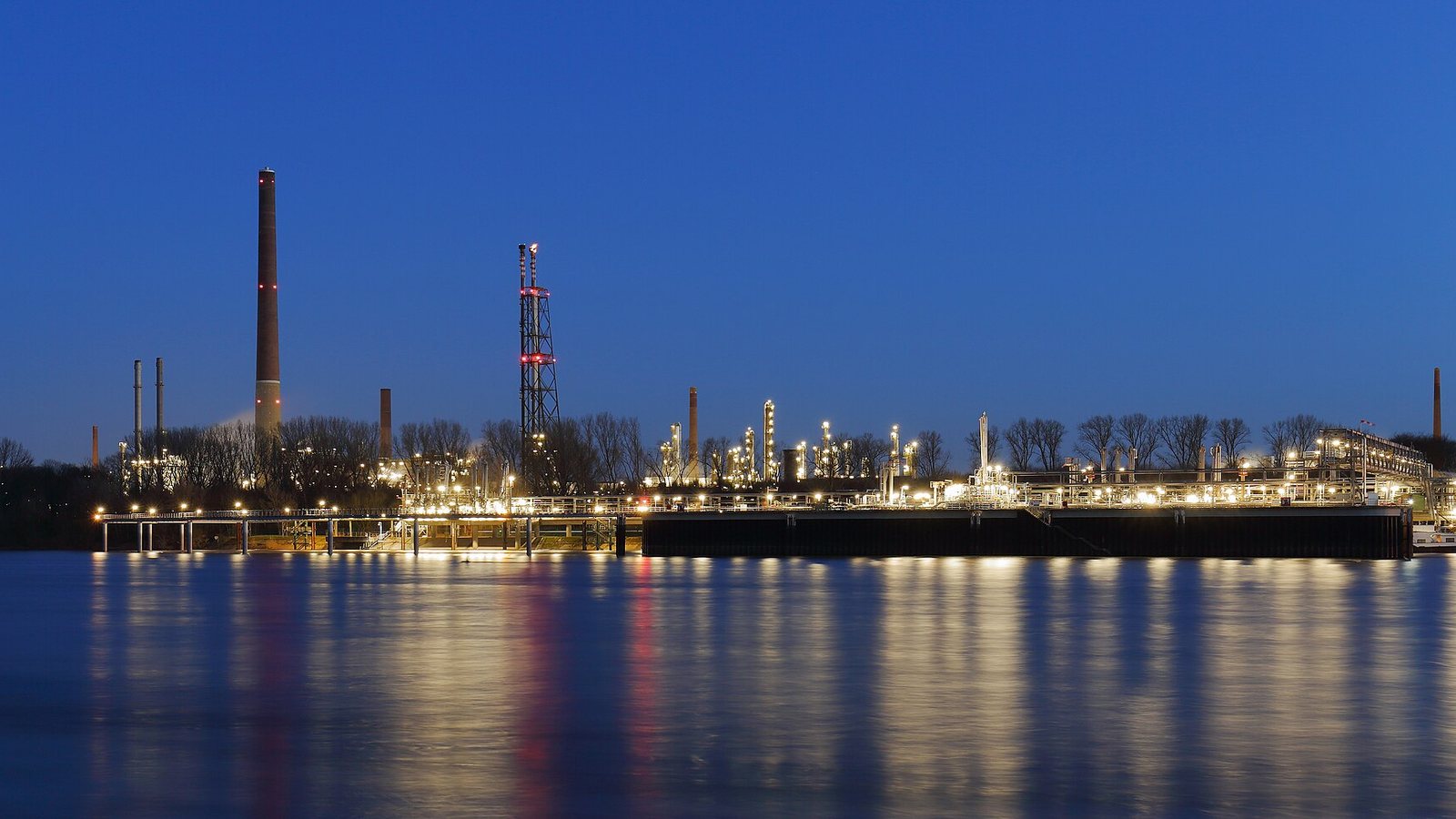
Illustrative image. Photo: Martin Falbisoner, CC BY-SA 4.0, via Wikimedia Commons — source