Trump Insists Russia-Ukraine ‘Energy Ceasefire’ Holds as Ukraine Reports New Strikes on Power Plants

US President Donald Trump said Tuesday that a Russia-Ukraine “energy ceasefire” he announced two days earlier was holding, even as Ukrainian officials reported that Russian strikes on power infrastructure in Kharkiv and Kyiv had continued in the hours after his announcement, and as Moscow has yet to publicly confirm it agreed to any such deal.
An Announcement Without Confirmed Terms
Trump wrote on Truth Social on Sunday that “there is an ENERGY CEASEFIRE in the War between Russia and Ukraine” and that “both parties have agreed,” without disclosing further details or a mechanism for monitoring compliance. Ukrainian President Volodymyr Zelenskyy said the announcement came as news to him, telling Ukrainska Pravda that Ukraine was “ready to agree” to a halt in strikes on energy infrastructure but only if Russia reciprocated. Russia has not issued a public statement confirming or denying the ceasefire.
Strikes Continued Within Hours
According to Ukrainian officials, a drone and missile strike hit the CHP-5 combined heat and power plant in Kharkiv shortly after Trump’s post, causing a fire, while a separate drone strike hit a power plant in Kyiv, triggering outages in the capital. Zelenskyy said Russian forces had carried out more than 200 strikes on power generation and transmission facilities over the preceding week alone — a tally that, if accurate, suggests the bombardment of Ukraine’s grid has continued largely unabated despite the ceasefire announcement.
A Second Attempt at a Truce
This is not the first time Washington has announced an energy-infrastructure truce between the two sides: Trump made a similar announcement in mid-September, which also went unconfirmed by both governments and failed to visibly reduce strikes on energy sites. The latest attempt comes alongside a separate, and more concrete, US-brokered arrangement under which Russia agreed to supply diesel to help ease a spike in American fuel prices — a deal struck after Washington temporarily lifted sanctions on Russian fuel, and one that Ukrainian and European officials have criticized as helping finance Moscow’s war effort.
Pressure From Fuel Prices at Home
Trump’s push for a ceasefire has coincided with domestic pressure over diesel prices, which have climbed amid the wider Middle East energy crisis and ahead of next month’s US midterm elections. Trump has also publicly criticized Zelenskyy for continuing Ukrainian strikes on Russian oil refineries, which Kyiv has used as a central pressure tactic against Moscow’s war financing throughout the conflict.
No Sign Either Side Has Stood Down
With neither Moscow nor Kyiv having issued a joint statement accepting enforceable terms, and strikes reported on both sides’ energy infrastructure after the announcement, the ceasefire’s practical effect on the ground remains unclear. Energy security has become one of the most closely watched fronts of the war, given its direct bearing on European gas and power markets, Russian export revenue, and Ukraine’s ability to keep its grid running through the winter heating season.
Sources
- Ukrainska Pravda, “Zelenskyy on Trump’s ‘energy ceasefire’: We are ready to agree, but energy facility in Kharkiv has just been hit,” Oct. 11, 2026.
- Associated Press/ABC, “Russia strikes power plant in Ukraine after Trump announces energy ceasefire,” Oct. 11, 2026 — Kharkiv CHP-5 strike details.
- Euronews, “Energy ceasefire agreed between Russia and Ukraine, Trump says,” Oct. 11, 2026 — Kyiv power-plant drone strike.
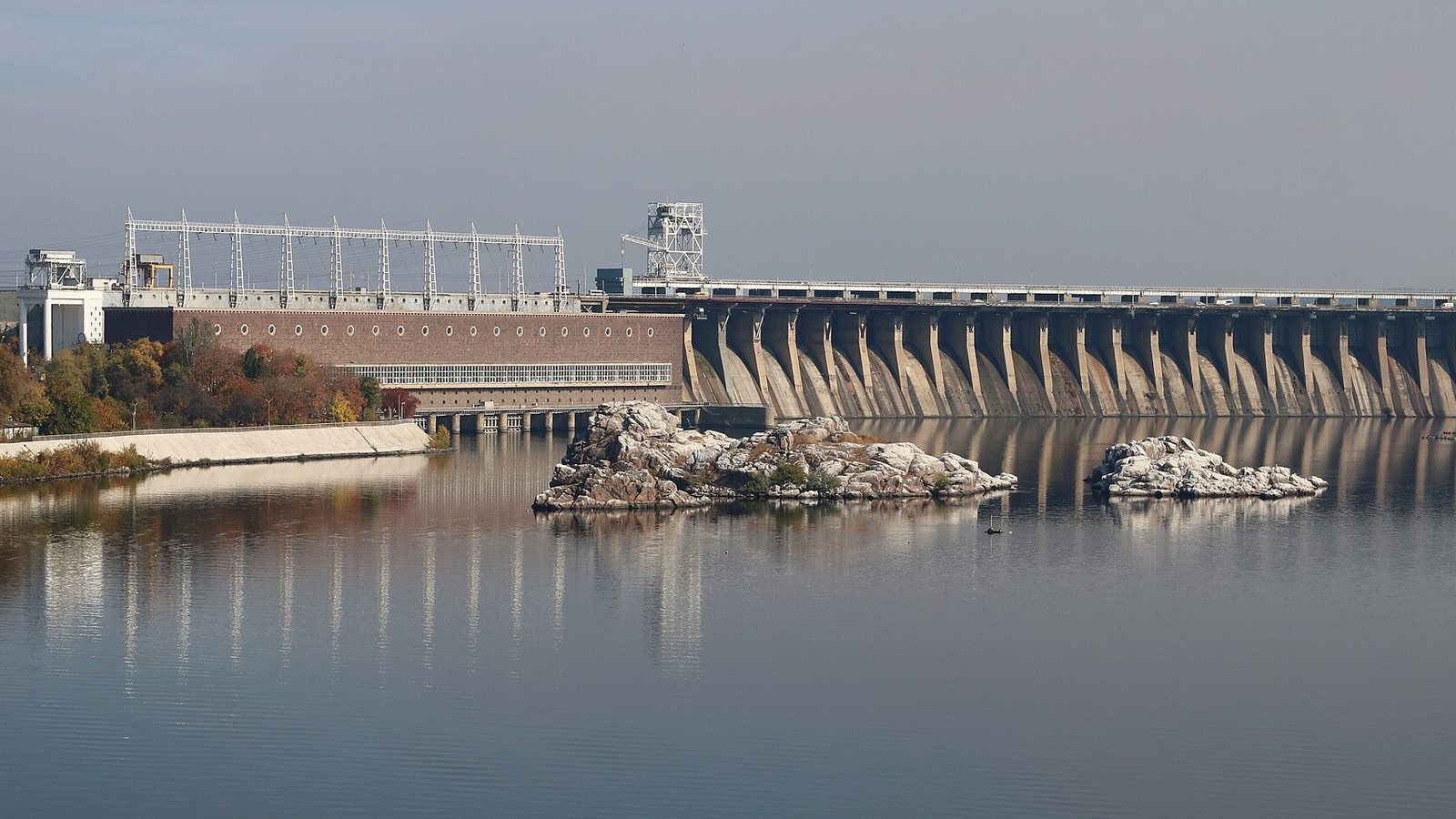
Illustrative image. Photo: George Chernilevsky, CC BY-SA 4.0, via Wikimedia Commons — source