SOCAR and Comstock Sign Definitive $1.65B Haynesville Shale Gas Deal

Comstock Resources and Azerbaijan’s state energy company SOCAR have signed a definitive purchase and sale agreement covering $1.65 billion of Haynesville shale gas interests, moving a deal first outlined in a September framework agreement into binding form. According to Comstock’s quarterly filing with the U.S. Securities and Exchange Commission, the agreement was executed on Nov. 4, 2026, days after the companies’ original Oct. 31 target for signing.
Under the agreement, SOCAR will acquire a non-operated 15% interest in Comstock’s Western Haynesville assets, a 15% interest in its PGS (Pugh Gas System) interest, and a non-operated 20% interest in the rest of Comstock’s upstream assets, all for $1.65 billion in cash, subject to customary closing adjustments. Comstock said it expects to book a gain of between $150 million and $250 million once the deal closes.
What changed since September
When Comstock first disclosed the SOCAR partnership in late September, it was a signed framework agreement and letter of intent rather than a binding contract, with both sides committing to negotiate a definitive purchase and sale agreement by the end of October. The Nov. 4 signing fulfils that commitment, with closing now subject to customary conditions, including government and third-party approvals. Comstock did not give a specific expected closing date in the filing.
The company also amended its $1.5 billion bank credit facility to extend its maturity, contingent on the SOCAR transaction closing and on using the proceeds to pay down debt — a sign that Comstock is treating the deal’s cash as a near-term balance-sheet event rather than a distant one.
Why Haynesville, and why SOCAR
The Haynesville shale, straddling East Texas and northwest Louisiana, has become one of the most closely watched U.S. gas basins because of its proximity to the wave of LNG export terminals under construction and already operating along the Gulf Coast — closer, in pipeline terms, than almost any other major American gas play. That proximity is central to the SOCAR rationale: the agreement is structured to let SOCAR market gas tied to its stake as LNG to international buyers, giving the Azerbaijani company a route into the U.S. LNG trade without building its own liquefaction capacity.
For SOCAR, the deal extends a pattern of recent moves into non-operated U.S. shale positions as it looks beyond its home fields in the Caspian Sea for growth. For Comstock, a long-time Haynesville operator, the cash releases capital while leaving operating control of the assets unchanged. The agreement includes a mechanism under which SOCAR’s 15% Western Haynesville stake would step down to 7.5% once SOCAR’s return on the investment reaches a specified 15% threshold — a structure that front-loads SOCAR’s economic interest and lets Comstock recapture a larger share of the upside later in the assets’ life.
A separate drilling venture
Comstock has also disclosed a separate $450 million Haynesville drilling joint venture, backed by Dallas Cowboys owner Jerry Jones, that runs alongside the SOCAR agreement but is not part of it. The two arrangements together point to renewed outside capital interest in Haynesville gas specifically because of its access to Gulf Coast LNG infrastructure, a proximity advantage that has made the basin a target for international buyers looking for a foothold in U.S. gas exports without building liquefaction capacity of their own.
Sources: Comstock Resources, Form 10-Q filed with the U.S. Securities and Exchange Commission, Nov. 2026 (definitive agreement terms, expected gain, credit facility amendment); World Oil, “Comstock strikes $1.65 billion SOCAR deal, $450 million Haynesville drilling JV,” September 2026 (original framework agreement terms); LNGPrime, coverage of the Comstock-SOCAR framework agreement, September 2026.
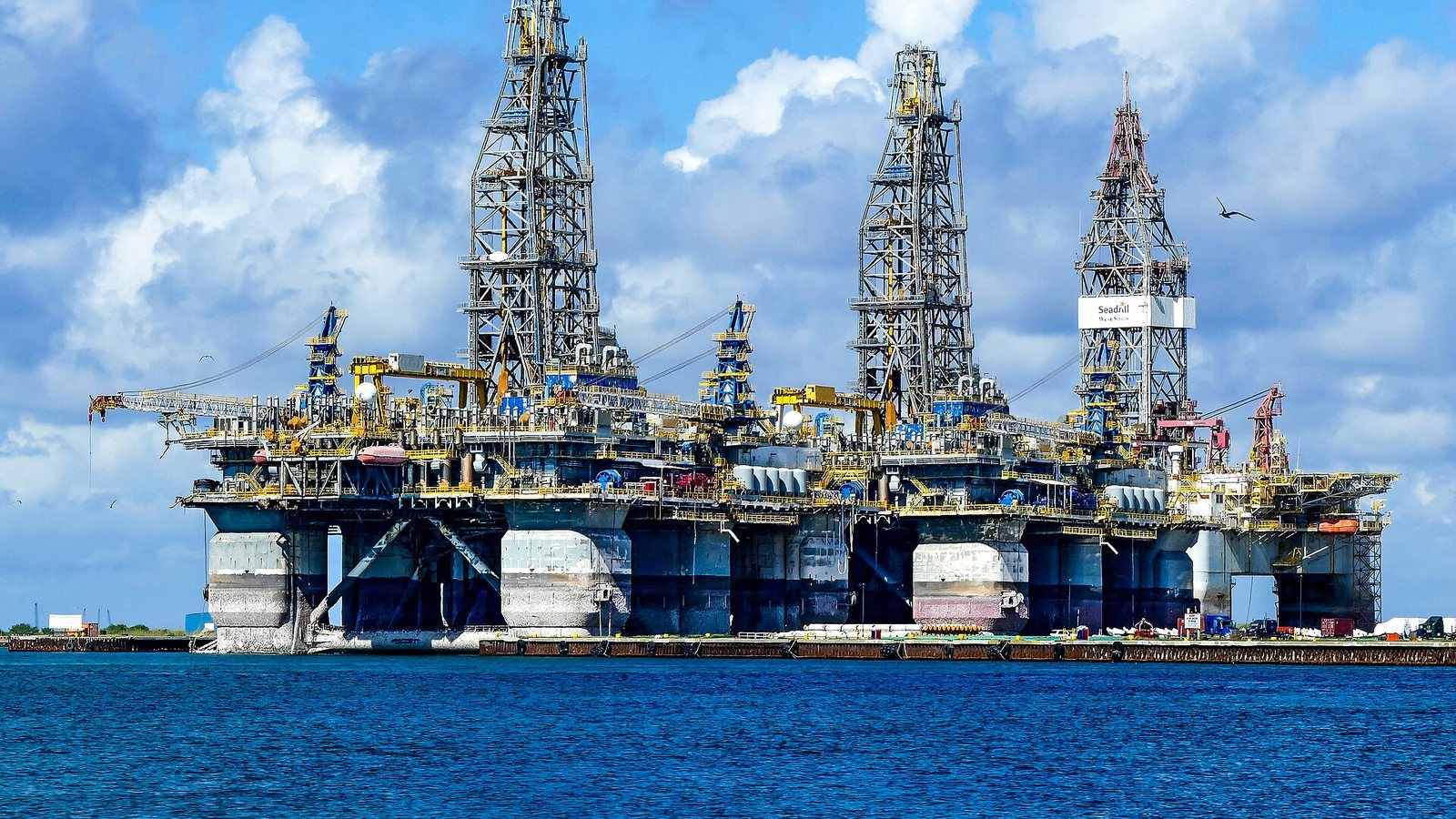
Illustrative image. Photo: Jim Evans, CC BY-SA 4.0, via Wikimedia Commons — source